
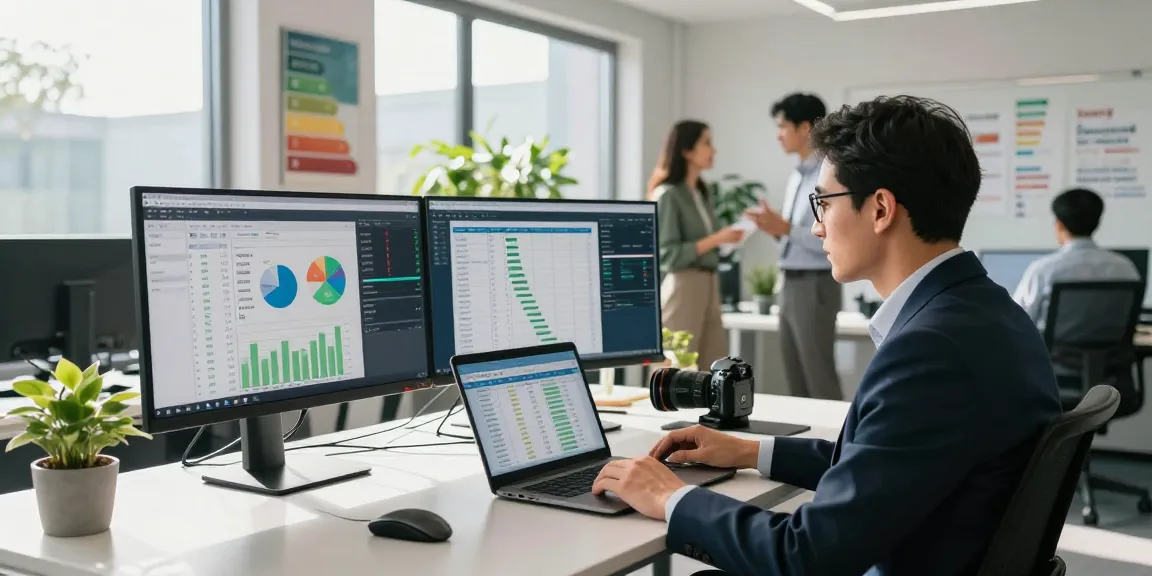

Understanding Half Hourly Meters
In the evolving landscape of business energy management, understanding half hourly meters is crucial for businesses aiming to optimize their energy consumption and reduce costs. These meters provide detailed insights into energy usage by measuring electricity consumption in half-hourly intervals, allowing businesses to make informed decisions based on real-time data. As demand for energy management grows, understanding the implications of using half hourly meters becomes increasingly important.
What are Half Hourly Meters?
Half hourly meters, often referred to as HH meters, are advanced billing meters that record electricity consumption at 30-minute intervals. Unlike traditional meters that provide monthly or bi-monthly readings, HH meters offer a granular view of energy usage, enabling businesses to monitor and control their consumption effectively. These meters are typically mandatory for larger energy consumers, specifically those using more than 100 kW of power, but can also be beneficial for smaller businesses looking to enhance their energy management strategies.
Importance of Accurate Metering in Energy Management
Accurate metering is critical in energy management as it directly impacts a business’s ability to monitor, analyze, and optimize its energy consumption. Half hourly meters provide precise data that helps businesses identify peak usage times and adjust their consumption accordingly. This precision allows for better forecasting, leading to more effective budget management and potential cost savings. Additionally, detailed metering helps adhere to regulatory requirements and supports sustainability initiatives by providing insights that can lead to reduced carbon footprints.
How Half Hourly Meters Impact Business Energy Costs
The financial implications of half hourly meters are significant. With the ability to track energy usage in small increments, businesses can identify patterns and make operational adjustments to minimize waste. For instance, adjusting power-intensive processes to off-peak hours may lead to substantial savings since energy prices often vary based on demand. Consequently, by leveraging data from half hourly meters, businesses can negotiate better terms with energy suppliers and avoid rolling onto deemed rates, which are typically much higher.
Benefits of Switching to Half Hourly Meters
Transitioning to half hourly meters can provide numerous advantages, particularly in terms of cost savings and operational efficiency. Businesses that utilize these meters gain access to detailed energy usage data that can significantly enhance their energy management strategies.
Cost Savings and Efficiency Improvements
Switching to half hourly meters can lead to substantial cost savings. By understanding energy usage patterns, businesses can adjust their operations to maximize efficiency, shifting energy-intensive tasks to times when electricity is cheaper. Some suppliers also offer lower rates for businesses using half hourly meters, making this switch not just strategic but also financially advantageous.
Real-Time Data for Better Decision Making
Having access to real-time data allows businesses to make informed decisions on their energy consumption. This immediacy is vital in rapidly changing environments, where energy prices can fluctuate significantly. With real-time data, companies can align their production schedules more closely with energy cost patterns, optimizing their spending.
Understanding Usage Patterns to Reduce Waste
Half hourly meters enable businesses to analyze their energy usage in great detail. This analysis can expose inefficiencies such as unnecessary heating or cooling during non-operational hours or peak loads that could be rescheduled. By identifying and addressing these issues, businesses not only save on energy costs but also contribute to broader sustainability goals.
Identifying Your Business Needs
Before switching to half hourly meters, it’s essential to assess your business’s specific energy needs and consumption patterns. Understanding these requirements will help in making an informed decision that maximizes the benefits of switching.
Assessing Energy Consumption for Optimal Metering
Assessing your current energy consumption is the first step toward optimal metering. Businesses should analyze their historical energy usage to determine if a half hourly meter suits their needs. This involves looking at peak usage periods, overall consumption patterns, and any significant fluctuations that could affect energy costs.
Choosing the Right Meter for Your Business Size
Not all businesses require half hourly meters. Small businesses with lower energy demands may benefit more from traditional meters, while larger enterprises or those with scalable operations can take advantage of the insights provided by HH meters. Evaluating business size and energy usage will guide this decision.
Common Challenges with Meter Implementation
While there are clear advantages to switching, challenges can arise, such as the upfront costs of installation and the need for staff training on how to interpret and act on the data collected. Additionally, some suppliers may have limitations regarding the data they can provide, which can impact the efficiency of energy management strategies.
How to Switch to Half Hourly Meters
Switching to half hourly meters may seem daunting, but with the right guidance, it can be a straightforward process. Here’s how to navigate the transition effectively.
Step-by-Step Guide to Switching Meters
Switching to HH meters involves several steps. First, businesses should consult their current energy supplier to discuss options for upgrading to a half hourly meter. This is often followed by a site survey to assess the installation requirements. Once the meter is installed, regular monitoring and analysis of energy consumption data should commence to ensure the business is capitalizing on the benefits.
Working with Energy Brokers for Better Rates
Working with an energy broker can simplify the switching process and help secure better rates. Brokers understand the market dynamics and can negotiate on behalf of businesses to find the most competitive pricing and contract terms. Their expertise can also help navigate any complexities associated with switching meters.
Paperwork and Legal Requirements Explained
Switching to half hourly meters requires adhering to specific paperwork and regulatory requirements. This includes signing a new contract with your energy supplier and possibly submitting a Letter of Authority (LOA) to allow your broker to act on your behalf. Ensuring all documentation is complete will expedite the switching process and align with compliance standards.
Future Trends in Energy Metering for 2026 and Beyond
As technology continues to advance, the landscape of energy metering is set to evolve significantly. Businesses should stay informed about these trends to leverage new opportunities effectively.
Technological Innovations in Energy Management
In 2026, technological advancements are expected to enhance energy management systems, making them more accessible and user-friendly. Innovations such as smart meters and integrated energy management platforms will allow for sophisticated analytics, enabling businesses to manage their energy consumption proactively.
Regulatory Changes Affecting Business Metering
Regulations around energy consumption and sustainability are becoming increasingly stringent. Businesses must be proactive in understanding these changes, as compliance could impact operations and costs. Staying ahead of regulatory requirements can provide a competitive edge in the marketplace.
Green Energy Initiatives and Smart Meter Integration
With a growing emphasis on sustainability, businesses will increasingly look for ways to integrate green energy solutions. Half hourly meters can facilitate the transition to renewable energy sources by providing data that helps benchmark energy consumption against renewable outputs, thereby aiding in carbon reduction efforts.
What are the key advantages of half hourly meters?
The key advantages of half hourly meters include improved billing accuracy, detailed insights into energy usage patterns, opportunities for cost savings, and the ability to make informed decisions regarding energy efficiency and sustainability initiatives.
How can half hourly meters help reduce energy bills?
Half hourly meters can help reduce energy bills by enabling businesses to shift their energy usage to off-peak times, thereby taking advantage of lower rates. Additionally, detailed tracking of energy usage allows businesses to identify and eliminate inefficiencies.
What challenges might arise when switching to half hourly meters?
Challenges in switching to half hourly meters can include installation costs, potential disruptions during the transition, training staff on how to use the new system, and ensuring ongoing access to detailed data for analysis.
What industries benefit the most from half hourly meters?
Industries with high energy demands, such as manufacturing, retail, and logistics, benefit the most from half hourly meters. These sectors can leverage the detailed insights provided by HH meters to optimize their energy consumption and reduce costs significantly.
Are there any specific regulations for half hourly meters in the UK?
In the UK, half hourly meters must comply with regulations set by Ofgem, including installation standards and reporting requirements. Businesses need to be aware of these regulations to ensure compliance and avoid penalties.