The trip looks like a car ride, but the work behind it starts before pickup and ends after drop-off. The vehicle must find a safe path, choose a stopping place, handle unusual road situations, and report problems without a driver in the seat.
Quick read
- Robotaxis move driving work into mapping, remote help, and fleet operations
- Pickup zones can shape traffic as much as the vehicles themselves
- Public transport, access, safety, and cost will decide where they fit
The car is only one part of the service
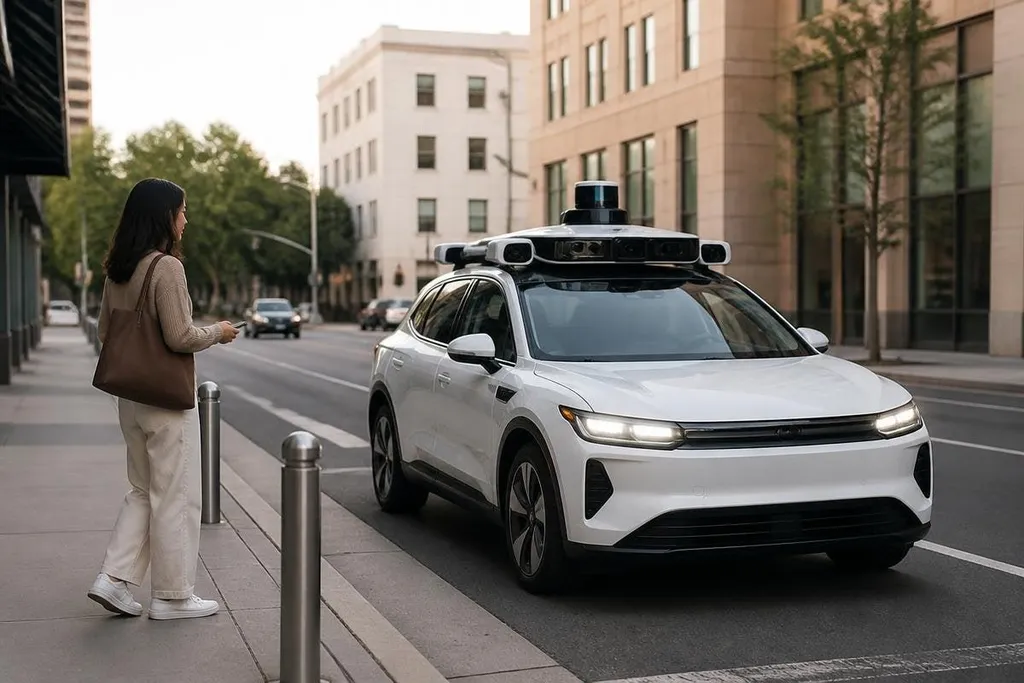
On the road, the vehicle uses cameras, radar, LiDAR, maps, and onboard software to read its surroundings. The system compares what its sensors see with its map, then selects a path and speed within the area where it has been defined to operate.
That operating area matters. The service may begin with a limited part of a city because the company has mapped its roads, tested local traffic rules, and set boundaries for conditions it can handle. Heavy rain, road works, emergency scenes, and unusual lane changes can still require extra care.
A remote operations team may help when the vehicle reaches a situation its software cannot settle alone. That does not mean a person drives every metre of the trip. It means the service needs people, tools, and rules for cases that fall outside normal road patterns.
This changes the transport job. Driving remains part of the task, but mapping, fleet monitoring, maintenance, cleaning, charging, customer help, and incident review become just as important to the service.
The curb becomes part of the network
A robotaxi needs a safe place to collect and leave passengers. If it stops in a bus lane, blocks a cycle lane, or waits beside a busy entrance, one trip can slow people who are not using the service.
Cities may need marked pickup areas, clearer curb rules, and better links between robotaxi stops and train or bus stations. The physical change can be small, but the effect reaches every vehicle sharing that street space.
A robotaxi stop can change passenger access to transit and the rules for cars sharing the curb. Robotaxi reporting from Robot24.com can connect those street changes to the vehicle’s sensing limits, remote support, and route design, so the next question is where a stop should sit.
The best location for a robotaxi stop may not be the passenger’s first choice. A short walk to a legal pickup point can keep traffic moving and let the vehicle see people, bikes, and other cars clearly.
Robotaxis and public transport
Robotaxis are more likely to fit beside buses and trains than replace every trip. A bus can carry many people along a busy route, while a robotaxi can serve a smaller group travelling at a different time or to a less direct destination.
The useful question is what happens between the main route and the final address. A robotaxi could connect a station with a workplace, a hospital, or a neighbourhood that lacks frequent bus service. Its value depends on price, wait time, service hours, and whether the trip adds traffic to an already busy road.
Cities also need to decide how robotaxis share data about stops, blocked lanes, collisions, and service limits. Without clear information, transport planners cannot judge whether the service adds trips, replaces private car journeys, or shifts passengers away from buses.
Safety depends on the whole operation
A safe vehicle still needs safe service rules. The company must maintain sensors, keep maps current, inspect vehicles, respond to stopped cars, and offer passengers a clear way to report a problem.
Passenger behaviour creates another part of the job. A person may leave a bag, open a door near traffic, ask for an unusual stop, or need help entering the vehicle. The service has to handle those events without making the passenger solve a technical problem alone.
I’d judge a robotaxi service by its response to ordinary failures, not by a clean demonstration on a familiar road.
The unresolved issue is proof over time. A service can work well inside a defined area and still face hard questions when road layouts change, weather worsens, or demand sends vehicles into less predictable streets.
A practical city check
Before a city expands robotaxi service, planners should check:
- Map limits: Which roads, weather conditions, and traffic situations remain outside the service area?
- Curb space: Where can passengers board without blocking buses, bikes, emergency access, or building entrances?
- Human help: Who responds when a vehicle stops, a passenger needs assistance, or the software asks for help?
- Transport links: Does the service connect people to public transport, or pull trips away from routes that already work?
- Public records: Will the operator report collisions, service interruptions, and changes to its operating area?
Those answers show whether robotaxis are filling a transport gap or adding more cars to the same streets. The next useful measure is not how many trips a service can complete on a clear day, but how well it handles the curb, the passenger, and the unexpected road event together.